
"Ethiopian natural process"
1000 article(s) found

Ethiopian Coffee Variety Flavor description introduction of High-quality Coffee beans in producing areas
In February 1977, Lieutenant Colonel Mengistu Haier Maryam (MENGISTU HAILE MARIAM) launched a military coup and served as Chairman of the interim military Administrative Council and head of State. In 1979, the Ethiopian Labor people's Party Organization Committee, dominated by soldiers, was established to implement an one-party system. In 1984, the Ethiopian Workers' Party was formed according to the Soviet Communist Party model. Mengistu, September 1987

Ethiopian Coffee Flavor description introduction of High-quality Coffee varieties in producing areas
Ethiopia is the birthplace of the famous Arabica coffee beans, and people have always maintained the tradition of harvesting wild coffee beans. The coffee garden at an altitude of more than 1500 meters has formed a unique coffee style after thousands of years of evolution and adaptation. Ethiopian coffee grown in the natural wild environment is called wilderness coffee, which retains the most primitive and natural taste of coffee beans.

Ethiopian Coffee Manor Flavor description Grinding characteristics introduction to the taste price of varieties in producing areas
Ethiopian coffee beans grow in close to the natural environment, after years of planting under the same growth conditions, Ethiopian coffee beans have gradually adapted to the environment here. More than 60% of coffee beans are grown in forests or semi-forests. Large-scale coffee-growing villages account for about 35% of the country's total coffee production. Many of these are used.

Introduction to the treatment methods of Grinding degree of varieties for describing the Flavor of Coffee Manor in Ethiopia
Small shareholders in Ethiopian coffee farms have been producing all kinds of high-quality coffee. The secret to producing high quality coffee is that coffee growers have developed a coffee culture in a suitable environment through generations of repeated learning about the coffee growing process, which mainly includes farming methods using natural fertilizers, picking the reddest and fully ripe fruits and

Introduction to the unique flavor and taste characteristics of Ethiopian coffee manor
A large amount of coffee production (95%) is done by small shareholders, with an average yield of 561 kg per hectare. For centuries, minority holders of Ethiopian coffee farms have been producing a variety of high-quality types of coffee. The secret of producing high-quality coffee is that coffee growers have developed environmental conditions through generations of repeated learning about the coffee planting process.

Introduction to the smooth and smooth Ethiopian Sidamo Chiso Coffee Flavor Manor
In February 1977, Lieutenant Colonel Mengistu Haier Maryam (MENGISTU HAILE MARIAM) launched a military coup and served as Chairman of the interim military Administrative Council and head of State. In 1979, the Ethiopian Labor people's Party Organization Committee, dominated by soldiers, was established to implement an one-party system. In 1984, the Ethiopian Workers' Party was formed according to the Soviet Communist Party model. Mengistu, September 1987

An introduction to the characteristics of Yega Xuefei Coffee in the area of Yega Xuefei
For more information on coffee beans, please follow the front street of Coffee Workshop (Wechat official account cafe_style)-Yegashifi Sun Coffee to learn about naturally processed Ethiopian coffee from the Yargacheffe region, one of the world's most valuable single source coffee sources. There are too many reasons to like African coffee, especially Ethiopian coffee. A

Summary of Coffee Bean Flavor cultivation in Ethiopia
Following Cafe Review (Wechat official account vdailycom) found that Fairview Cafe opened a small shop of its own Ethiopian Coffee Overview the full name of the Federal Democratic Republic of Ethiopia (formerly known as Abyssinia) is a country in northeast Africa. English name: The Federal Democratic Republic of Ethiopia, Ethiopia is the origin of coffee

Ethiopia Coffee Coffee
Ethiopia's Yirgacheffe coffee is petite, but gentle and sweet. As the home of coffee, Ethiopia's millennia of growing and processing traditions have resulted in high-quality washed Arabica beans. Light baked with unique lemon, floral and honey sweet aromas, soft fruit acids and citrus notes, fresh and bright taste. not

Aromatic Ethiopian coffee plantation with rich flavor. Flavor characteristics. Variety introduction.
Ethiopian coffee beans grow in a near-natural environment. After years of cultivation under the same growing conditions, Ethiopian coffee beans have gradually adapted to the environment here. More than 60% of coffee beans are forest or semi-forest grown coffee. Coffee farming villages produce about 35 percent of the country's coffee. Many of these are used.

Ethiopian Bishan Dimo Water washing Station Coffee introduces what brands Ethiopian coffee has
Professional coffee knowledge exchange more coffee bean information please follow the coffee workshop (Wechat cafe_style) Bishan Dimo washing station the story of the Yonis family began in Hara's warm and dry climate. Harald, the easternmost coffee-growing region of Ethiopia, is famous for its naturally processed coffee because of the lack of water in the region. The Harari are proud of their amber beans.

Ethiopian Yega Sheffivoka Coffee Flavor description introduction to the taste of fine coffee beans in the producing area
Located in the most advantaged natural conditions, Ethiopia produces unique high-quality coffee every year. Ethiopia's coffee growing cycle brings the joy of harvest to the country every year. Beautiful white coffee flowers will bloom and bear fruit every year from March to April. Only the reddest and ripe fruits will be selected between September and December.

Description of Ethiopian Coffee Flavor with Jasmine Flavor introduction to Fine Coffee Bean Manor
Local aborigines often grind the fruit of the coffee tree and knead it with animal fat to make many ball-shaped balls. These indigenous tribes use these coffee balls as precious food for soldiers who are about to go out to battle. It was not until around the 11th century that people began to use boiled coffee as a drink. In the 13th century, Ethiopian troops invaded Yemen

The birth process of Ethiopian boutique coffee how Ethiopian boutique coffee was born
Coffee forests in Ethiopia's Balle National Park in eastern Africa are as high as 2000 meters above sea level. The coffee rich here was named one of the five best coffees in Africa in 2012. Coffee grows naturally here and is still picked and collected by a small group of about 5000 local people. Decades ago, the first road was built here to bring the coffee forest, which had been isolated, closer.

Ethiopian GUJI Ancient Treasure Coffee Bean Story _ description of the Flavor of the Ethiopian Native species Rosa hand Chong
Professional coffee knowledge exchange more coffee bean information please follow the coffee workshop (Wechat official account cafe_style) Ethiopia Yirgacheffe Gelana Station Natural Geisha Coffee Ethiopian Coffee-Yega Xuefei birthday roses Xia Jinlana processing station special batches of coffee beans raspberry blueberry juice white peach origin: Kersa Village, Tor

Introduction to the roasting degree of Yega Sheffivoka Coffee in Ethiopia
The coffee market regulatory body in Ethiopia is the Ethiopian Coffee and Tea products Administration. There are two auction centers in the country, one in the capital Addis Ababa (Addis Ababa) and the other in Dire Dawa in eastern Ethiopia. Coffee growers bring fresh fruit or to private coffee processing plants or cooperative coffee washing stations

Ethiopian Coffee Estate Description Taste Boutique Coffee Features Introduction
Coffee farming villages produce about 35 percent of the country's coffee. These coffee farms, which use a multi-tiered coffee growing system, are carefully cared for. Coffee farmers do not use chemical fertilizers, but use fallen leaves, plant and animal debris to increase soil nutrients. In addition to coffee, farmers also frequently grow non-coffee crops. Even the national coffee total

The process of processing and fermentation of Ethiopian coffee by washing
Ethiopian coffee washing is used to process fermented coffee. Coffee is either dried naturally on the patio, or dried by machine, or both. The treatment is to spread the coffee cherries widely on the exposure field for two weeks and sweep them with a rake several times a day so that the coffee beans can be dried more evenly. When dried, the coffee beans will be separated from the skin and dried by a sheller.
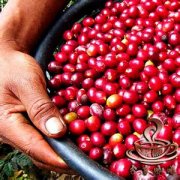
Fresh and Bright Ethiopian Coffee Estate Fine Coffee Flavor Characteristics Description
Ethiopia's Yirgacheffe coffee is petite, but gentle and sweet. As the home of coffee, Ethiopia's millennia of growing and processing traditions have resulted in high-quality washed Arabica beans. Light baked with unique lemon, floral and honey sweet aromas, soft fruit acids and citrus notes, fresh and bright taste. not

Introduction to the flavor and taste of Ethiopian boutique coffee beans and the characteristics of the manor producing area
A large amount of coffee production (95%) is done by small shareholders, with an average yield of 561 kg per hectare. For centuries, minority holders of Ethiopian coffee farms have been producing a variety of high-quality types of coffee. The secret of producing high-quality coffee is that coffee farmers have developed the right environment through generations of repeated learning about the coffee planting process.